
What Are GFCI Outlets and Why They Are Required in Homes
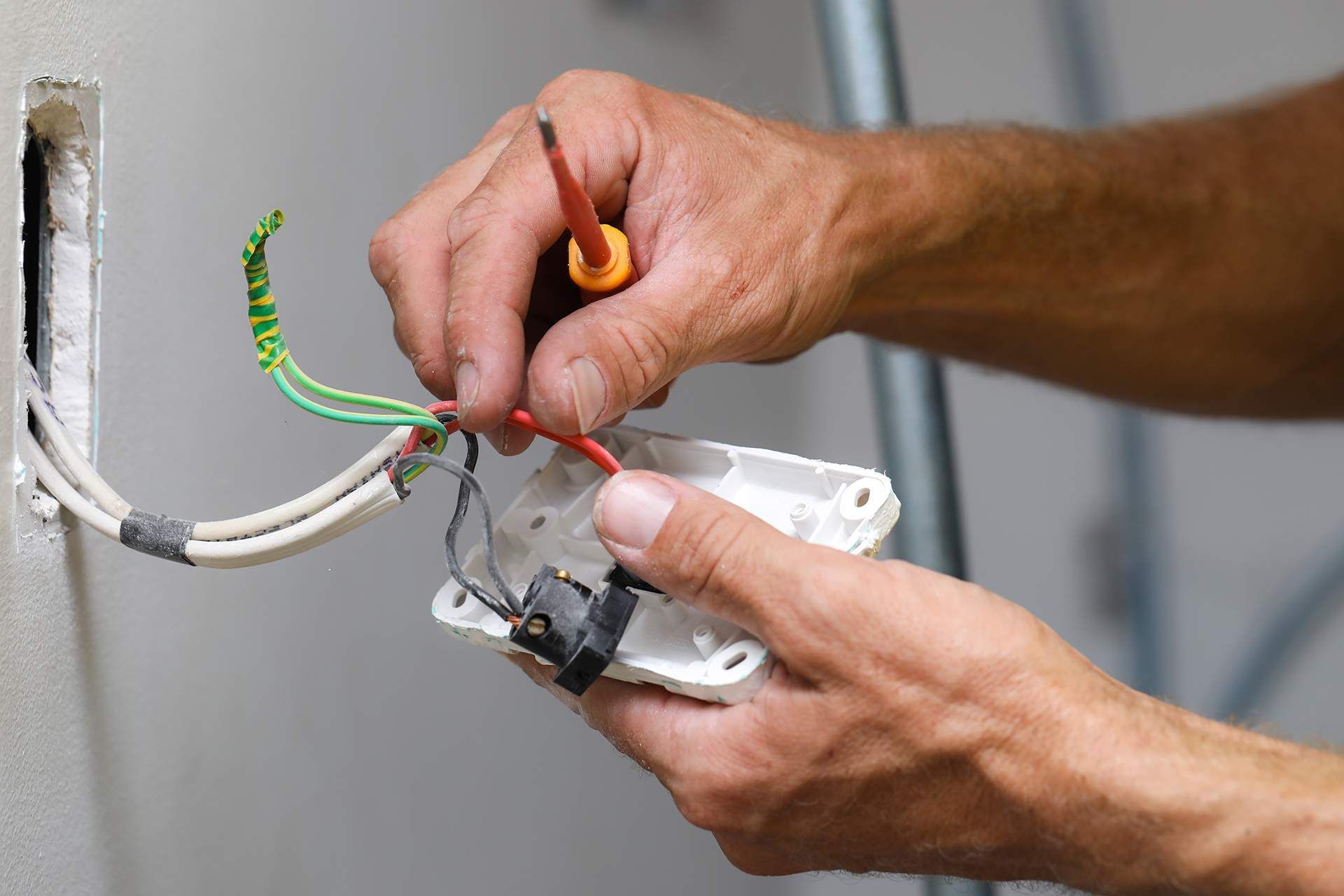
Table of Contents
- Introduction
- What Are GFCI Outlets
- How GFCI Outlets Work
- Why GFCI Outlets Are Required by Electrical Codes
- Where GFCI Outlets Are Required in Residential Homes
- GFCI Outlet Installation: What to Know
- GFCI Outlet Wiring and Common Configurations
- Testing and Maintaining GFCI Outlets
- Limitations and Common Misunderstandings
- Conclusion
- Book a Residential Electrical Service
- Frequently Asked Questions
Key Takeaways
- GFCI outlets are designed to reduce the risk of electrical shock by shutting off power when an imbalance is detected.
- Electrical codes require GFCI protection in areas where moisture or ground contact increases electrical risk.
- Proper gfci outlet installation and wiring are critical for the device to function as intended.
- Regular testing helps ensure GFCI outlets remain operational over time.
- GFCI outlets improve safety but do not eliminate all electrical hazards.
Introduction
GFCI outlets are specialized electrical receptacles designed to reduce the risk of electric shock by quickly shutting off power when unsafe conditions are detected. They matter because modern homes rely on electricity in areas where water, grounding surfaces, or outdoor exposure increase safety risks. For homeowners, buyers, and builders in Beach Park, Illinois, understanding how and why gfci outlets are required helps support safer living environments and informed compliance with residential electrical standards.
This is especially relevant when planning or evaluating residential electrical systems, where outlet placement and protection are part of broader safety considerations managed through professional residential electrical services.
What Are GFCI Outlets
GFCI stands for Ground Fault Circuit Interrupter. A GFCI outlet is a protective device that monitors the flow of electricity through a circuit.
Unlike standard outlets, gfci outlets are designed to respond to ground faults. A ground fault occurs when electrical current travels along an unintended path, such as through water or a person.
These outlets are commonly identified by their “Test” and “Reset” buttons located on the face of the receptacle. Their purpose is preventive rather than corrective, meaning they aim to interrupt dangerous conditions before serious injury occurs. In residential environments, this type of protection is commonly addressed during broader home electrical planning.
How GFCI Outlets Work
GFCI outlets continuously measure the amount of electrical current flowing from the hot wire to the neutral wire.
Detecting Imbalance
Under normal conditions, the current entering and leaving the outlet is equal. If the GFCI detects even a small imbalance—typically as low as 4 to 6 milliamps—it interprets this as a potential ground fault.
Interrupting Power
When an imbalance is detected, the outlet shuts off power in a fraction of a second. This rapid interruption helps reduce the likelihood of serious electrical shock.
The outlet remains off until it is manually reset, signaling that an issue occurred and should be understood before restoring power. This behavior is often evaluated as part of routine residential electrical assessments.
Why GFCI Outlets Are Required by Electrical Codes
Electrical codes are designed to address known safety risks in residential environments. Over time, data and incident patterns have shown that electrical shock hazards are more likely in certain locations.
Risk-Based Requirements
GFCI outlets are required where electricity and moisture are likely to coexist. Water increases conductivity, which raises the risk of ground faults.
The National Electrical Code (NEC), which Illinois follows with local amendments, mandates GFCI protection in specific areas to address these risks systematically. These requirements are commonly reviewed during residential electrical inspections and upgrades.
Consistency Across New Construction
For developers and builders, especially those managing new residential projects, GFCI requirements create consistent safety baselines. These standards help ensure homes meet current expectations for electrical protection at the time of inspection and occupancy.
Where GFCI Outlets Are Required in Residential Homes
While requirements can vary slightly by jurisdiction, GFCI outlets are typically required in the following locations:
Kitchens
Outlets serving countertops and areas near sinks require GFCI protection due to frequent water use and appliance operation.
Bathrooms
Bathroom outlets must be GFCI-protected because of the proximity to sinks, tubs, and showers.
Garages and Basements
Unfinished basements and garages often involve concrete floors and tools, increasing grounding risks.
Outdoor Areas
Exterior outlets, including those on patios or near pools, must have GFCI protection due to weather exposure.
Laundry Areas and Utility Rooms
Outlets near washing machines, utility sinks, or water heaters may also require protection. These placements are often addressed during residential electrical system updates.
GFCI Outlet Installation: What to Know
Proper gfci outlet installation involves more than replacing a standard receptacle.
Understanding Circuit Protection
A single GFCI outlet can protect multiple downstream outlets when wired correctly. This approach is common in kitchens, garages, and bathrooms.
Code Compliance
Installation must follow local electrical codes regarding placement, load calculations, and accessibility. Improper installation may lead to nuisance tripping or lack of protection.
Professional Evaluation
In residential projects, particularly new construction or renovations, installation planning helps ensure protection aligns with current code requirements rather than outdated layouts. Many homeowners address this during broader residential electrical service planning.
GFCI Outlet Wiring and Common Configurations
Correct gfci outlet wiring is essential for safety and functionality.
Line vs. Load Terminals
GFCI outlets have “line” terminals for incoming power and “load” terminals for protecting additional outlets. Reversing these connections can prevent the outlet from functioning correctly.
Single-Outlet Protection
Some installations only protect the GFCI outlet itself, which may be appropriate in certain retrofit scenarios.
Multi-Outlet Protection
In new builds, load-side wiring is often used to extend protection to multiple receptacles on the same circuit.
Understanding these configurations helps reduce installation errors that can compromise safety.
Testing and Maintaining GFCI Outlets
GFCI outlets require periodic testing to confirm they are working as intended.
Monthly Testing
Pressing the “Test” button should immediately cut power. Pressing “Reset” should restore it. If this does not occur, the outlet may need evaluation.
Environmental Wear
Moisture, dust, and temperature changes can affect performance over time, especially in outdoor or garage locations.
Replacement Considerations
GFCI outlets do not last indefinitely. If an outlet trips frequently or fails to reset, it may indicate wear or an underlying wiring issue.
Limitations and Common Misunderstandings
While gfci outlets enhance safety, they are not a complete solution for all electrical hazards.
Not Overcurrent Protection
GFCIs do not replace circuit breakers or protect against overloads and short circuits.
False Sense of Security
GFCI protection reduces risk but does not make unsafe electrical practices acceptable.
Compatibility with Older Wiring
In older homes, wiring conditions may affect how GFCI outlets perform. Evaluation helps determine appropriate solutions without assumptions.
Conclusion
GFCI outlets are a critical part of modern residential electrical safety standards. They work by detecting current imbalances and shutting off power quickly to reduce shock risk. Building codes require them in areas where moisture and grounding hazards are more likely, such as kitchens, bathrooms, garages, and outdoor spaces. Understanding proper installation, wiring, and maintenance supports safer homes and informed decision-making for homeowners, buyers, and construction professionals alike.
Book a Residential Electrical Service
For those seeking clear guidance on gfci outlet installation, wiring considerations, or residential electrical standards in Beach Park, Illinois, we provide educational support and code-aligned services through our residential electrical work.
To learn more about how we support homeowners and builders send us an email at schica@att.net or call us at (847) 791-0503 to learn more about our services. Our focus is on helping property owners and builders understand their options and responsibilities within current electrical regulations.
Frequently Asked Questions
What does a GFCI outlet protect against?
A GFCI outlet helps reduce the risk of electric shock caused by ground faults. It does not protect against overloads or power surges.
Are GFCI outlets required in older homes?
Requirements typically apply when homes are built, renovated, or brought up to current code. Older homes may not have them unless updates are made.
Can one GFCI outlet protect multiple outlets?
Yes, when wired correctly using the load terminals, a single GFCI outlet can protect downstream receptacles on the same circuit.
How often should GFCI outlets be tested?
Monthly testing is generally recommended to confirm proper operation.
Why does my GFCI outlet trip frequently?
Frequent tripping may indicate moisture exposure, wiring issues, or a failing outlet. Evaluation helps identify the cause.
Do outdoor outlets always need GFCI protection?
In most cases, yes. Outdoor outlets are exposed to weather and moisture, which increases electrical risk.
Is GFCI outlet installation different in new construction?
New construction often integrates GFCI protection at the circuit design stage to meet current electrical codes consistently.