What Is Electrical Rewiring and When Does Your Home Need It?
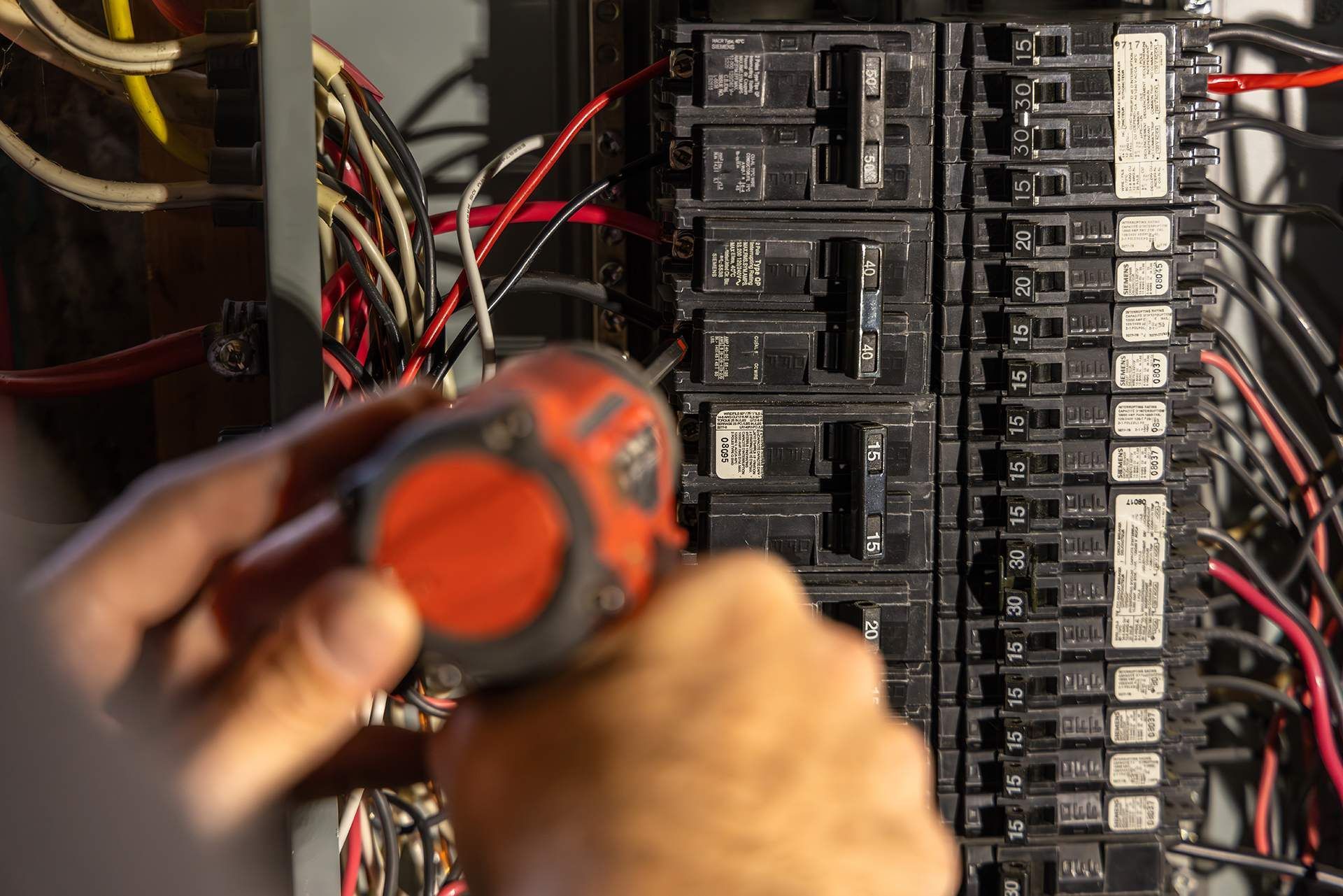
Table of Contents
- Introduction
- What Is Electrical Rewiring?
- Common Signs Your Home Needs Rewiring
- Frequent Breaker Trips or Fuse Issues
- Flickering or Dimming Lights
- Outdated Wiring Systems
- Warm or Discolored Outlets
- Benefits of Updating Electrical Wiring
- Safety Improvements
- Capacity for Modern Devices
- Reduced Risk of Electrical Hazards
- Understanding the Rewiring Process
- Assessment and Planning
- Preparing the Home
- Installation of New Wiring
- Testing and Inspection
- Whole House Rewiring vs Partial Updates
- Conclusion
- Book a Home Rewiring Assessment
- Frequently Asked Questions
Key Takeaways
- Electrical rewiring updates or replaces outdated or damaged wiring in a home.
- Signs your home may need rewiring include frequent breaker trips, flickering lights, or outdated knob-and-tube systems.
- Whole house rewiring can improve safety and support modern electrical demands.
- The rewiring process involves planning, inspection, and installation of new wiring while maintaining code compliance.
- Regular electrical assessments can help identify issues before they become hazards.
Introduction
Electrical rewiring refers to the process of replacing or upgrading the electrical wiring in a home. This work becomes necessary when wiring is outdated, damaged, or insufficient to meet current electrical needs. For homeowners and property managers in Beach Park, Illinois, understanding electrical rewiring is essential for maintaining a safe and efficient home environment. This guide provides clear information on when rewiring may be required, what the process entails, and how to recognize signs that electrical updates are needed.
What Is Electrical Rewiring?
Electrical rewiring involves the removal of old or damaged wiring and the installation of new wiring systems that comply with modern electrical codes. Homes built several decades ago may have wiring that is no longer sufficient for today’s appliances and technology. Electrical rewiring ensures that your home can safely handle contemporary electrical loads and reduces the risk of faults caused by aging wiring systems.
Rewiring can be limited to specific circuits or involve a whole house rewiring, depending on the condition of the existing system and the homeowner’s goals. Proper planning and execution by a licensed electrician are critical to ensure safety and compliance with local regulations.
Common Signs Your Home Needs Rewiring
Frequent Breaker Trips or Fuse Issues
If circuit breakers trip often or fuses blow repeatedly, it may indicate that your current wiring is overloaded or deteriorating. Regular interruptions in electrical service can signal the need for a thorough inspection and potential rewiring.
Flickering or Dimming Lights
Lights that flicker or dim unexpectedly are often a sign of inconsistent electrical flow. This can occur when wiring connections are loose, outdated, or insufficient for the home’s electrical demands.
Outdated Wiring Systems
Homes built before the 1960s may use knob-and-tube wiring or aluminum wiring, which do not meet modern safety standards. Recognizing outdated wiring systems is an important step in determining whether home rewiring is necessary.
Warm or Discolored Outlets
Outlets or switches that feel warm to the touch or show discoloration indicate potential electrical issues. These signs suggest that wiring may be deteriorating, and addressing them promptly can prevent further complications.
Benefits of Updating Electrical Wiring
Safety Improvements
Upgrading electrical wiring reduces the risk of faults, short circuits, and other hazards associated with old or damaged systems. Properly installed wiring meets current codes and can help maintain a safer home environment.
Capacity for Modern Devices
Modern homes require more electrical capacity to accommodate appliances, electronics, and smart home devices. Electrical rewiring ensures that circuits can handle increased demand without overloading.
Reduced Risk of Electrical Hazards
Replacing outdated wiring with new materials and proper grounding reduces the likelihood of overheating, electrical fires, and shocks. Whole house rewiring, in particular, ensures comprehensive coverage for all circuits in the home.
Understanding the Rewiring Process
Assessment and Planning
The process begins with a detailed inspection of the existing wiring. An electrician evaluates the condition of circuits, outlets, and panels, and identifies areas that require replacement or upgrades.
Preparing the Home
Before installation, the home is prepared to minimize disruption. This may include temporary removal of fixtures, protecting flooring, and creating access points for wiring.
Installation of New Wiring
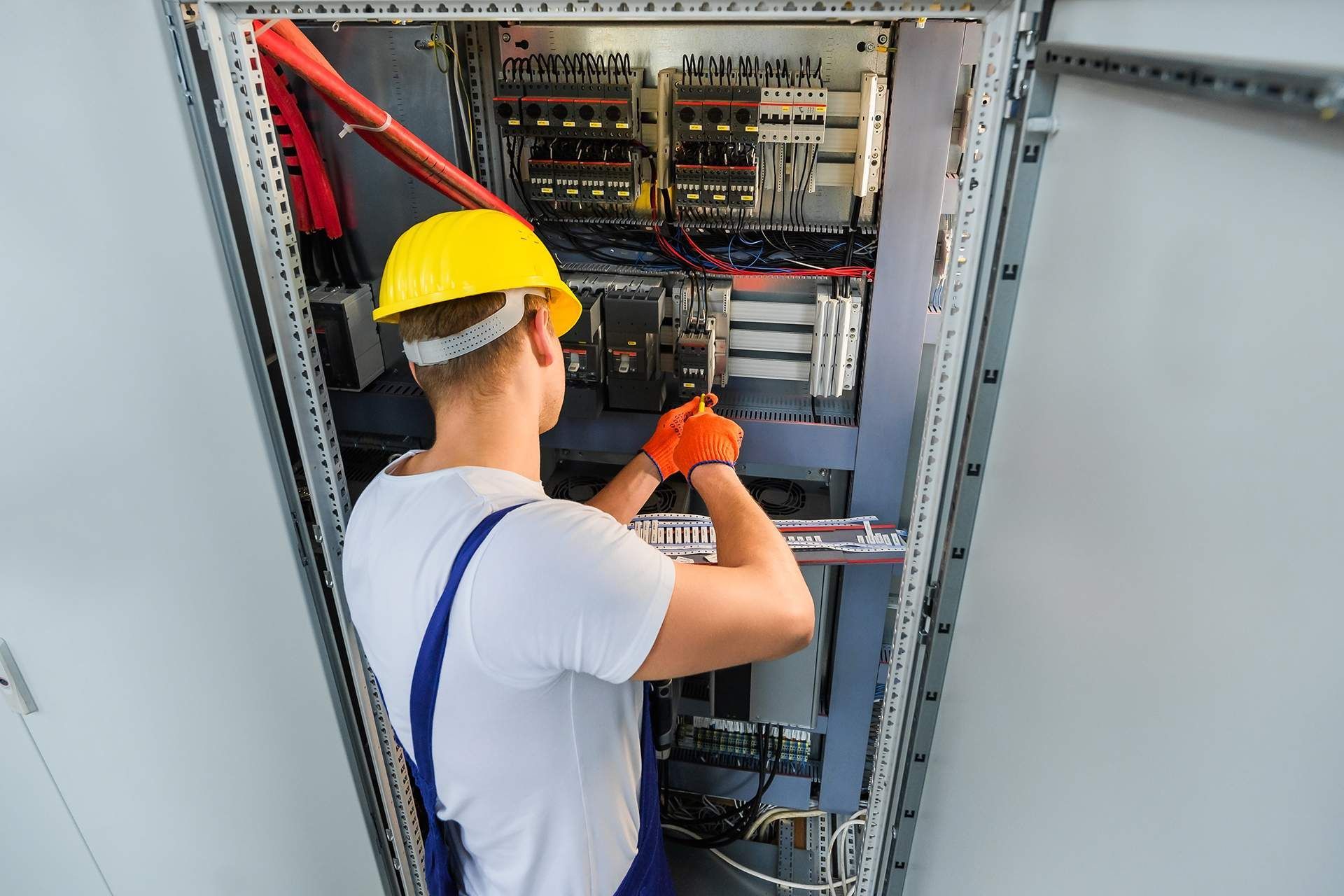
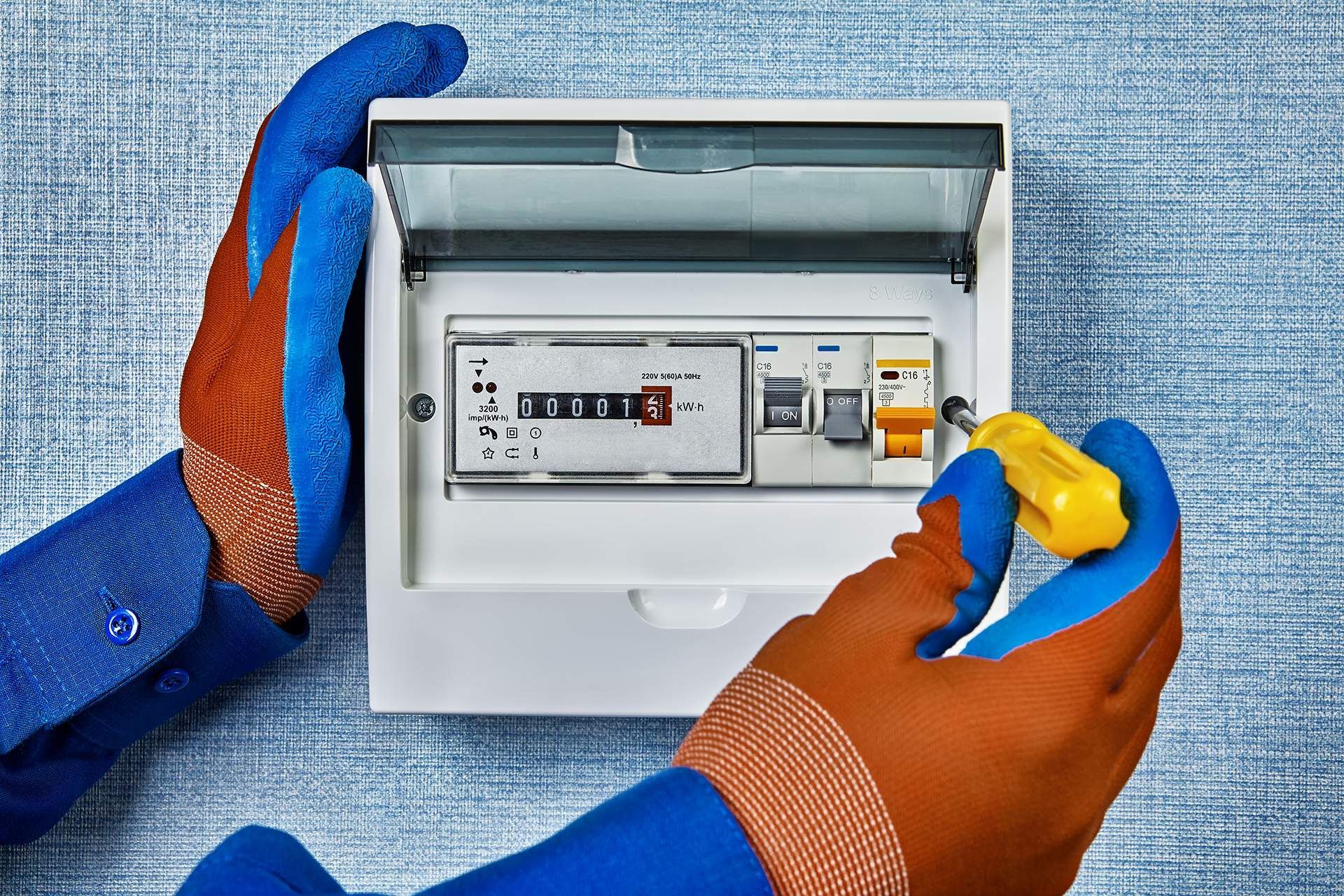
Electricians replace outdated wiring with modern cables, ensuring each circuit meets current electrical codes. This step may involve installing new outlets, switches, and circuit breakers as needed.
Testing and Inspection
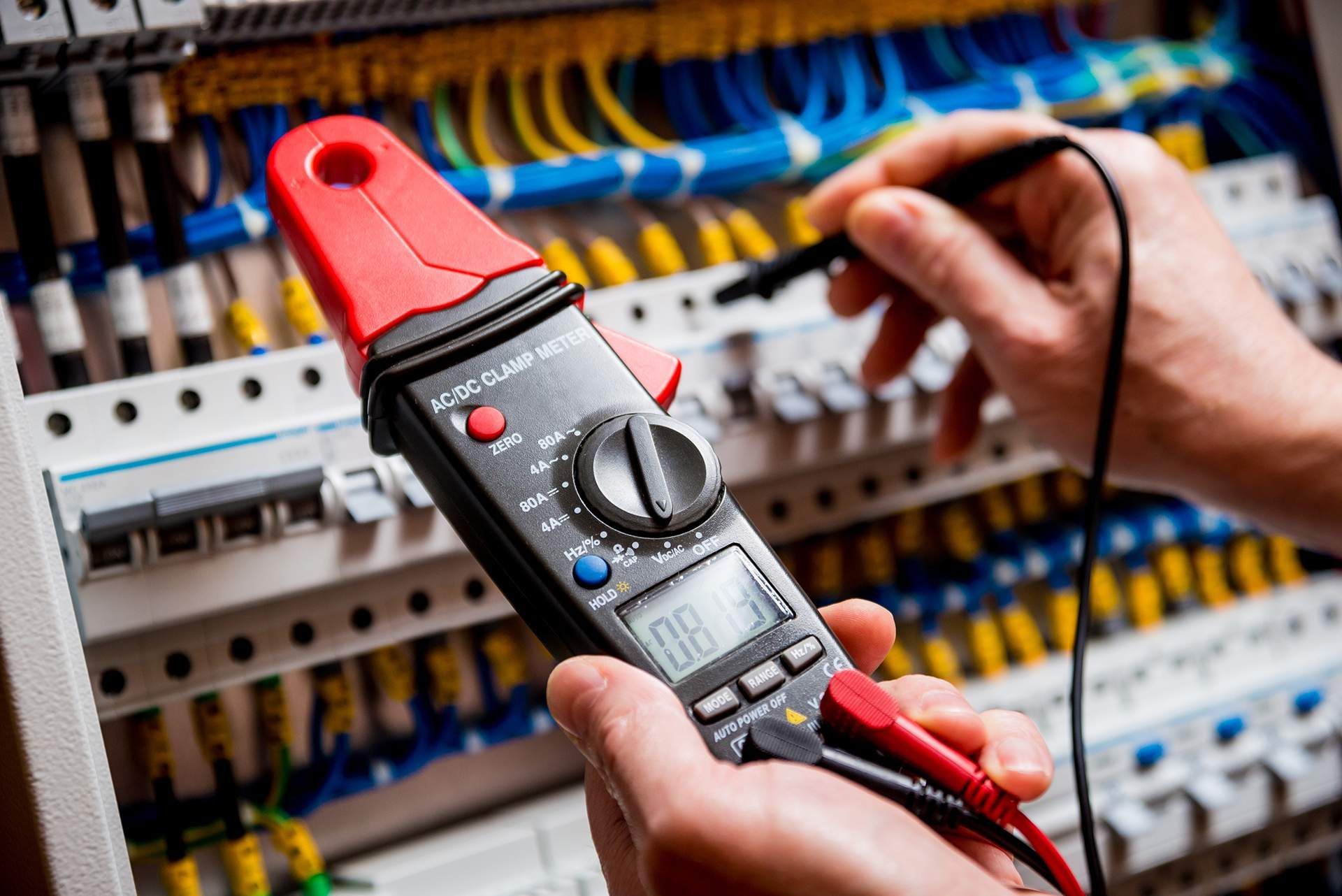
After installation, all wiring is tested for continuity, proper grounding, and safety compliance. A final inspection ensures that the home meets local code requirements and operates reliably.
Whole House Rewiring vs Partial Updates
Partial updates focus on specific areas or circuits that show signs of deterioration. Whole house rewiring replaces all wiring throughout the home, which may be recommended for older properties or when multiple circuits are compromised. Homeowners can work with an electrician to determine the most suitable approach based on safety needs and future electrical demands.
Conclusion
Electrical rewiring is a key step in maintaining a safe and efficient home. By recognizing the signs of outdated or faulty wiring, understanding the rewiring process, and considering both partial and whole house options, homeowners can make informed decisions. Ethical and informed planning ensures that electrical systems meet modern needs while reducing potential hazards.
Book a Home Rewiring Assessment
If you are considering electrical rewiring, N Electric in Beach Park, Illinois, provides professional guidance and assessments. Reach out to discuss your home’s electrical needs, review options, and gain a clear understanding of the rewiring process. Our goal is to support informed, ethical decisions for homeowners and property managers.
To learn more about how we support homeowners send us an email at schica@att.net or call us at (847) 791-0503 to learn more about our services.
Frequently Asked Questions
How often should a home be rewired?
Homes with outdated wiring or frequent electrical issues should be inspected, and rewiring may be recommended based on the electrician’s assessment.
Can rewiring be done in stages?
Yes, partial rewiring allows homeowners to address specific circuits or areas, though whole house rewiring provides comprehensive safety improvements.
Is rewiring necessary for all old homes?
Not every older home requires full rewiring. A professional assessment can determine whether updates are needed based on wiring condition and electrical demand.
How disruptive is the rewiring process?
While rewiring involves some preparation and temporary adjustments, electricians work to minimize disruption and protect home interiors.
Does rewiring improve energy efficiency?
Modern wiring supports electrical systems designed for efficiency, though the primary goal of rewiring is safety and reliability rather than guaranteed energy savings.